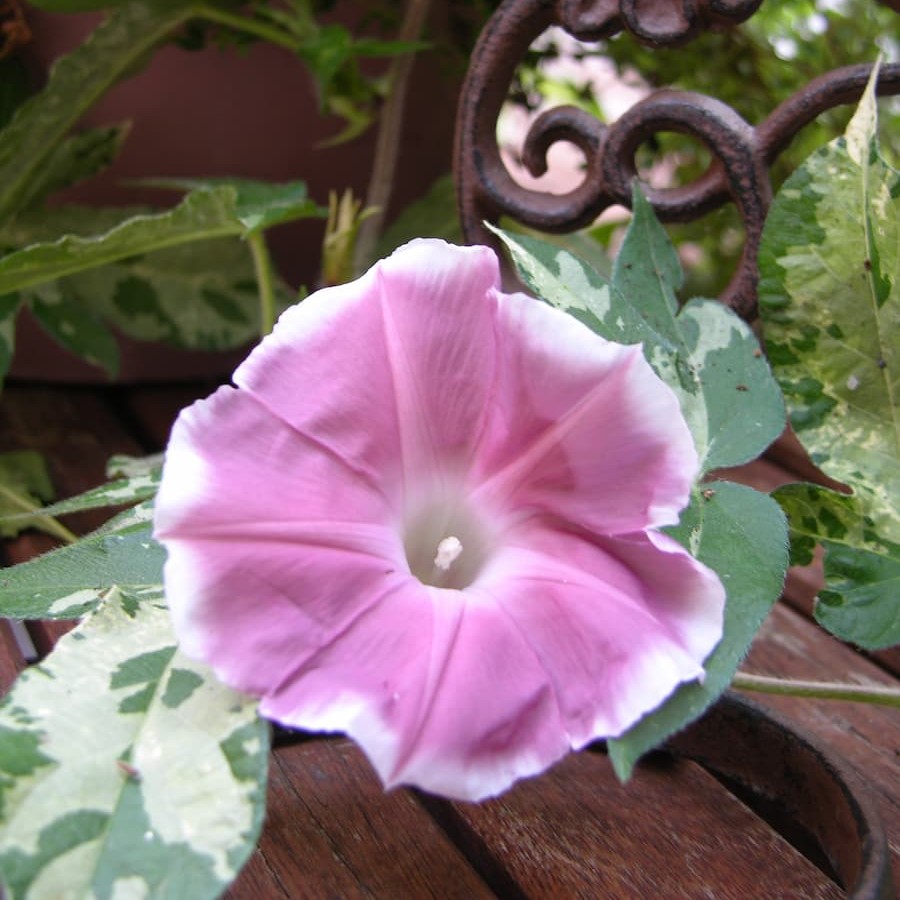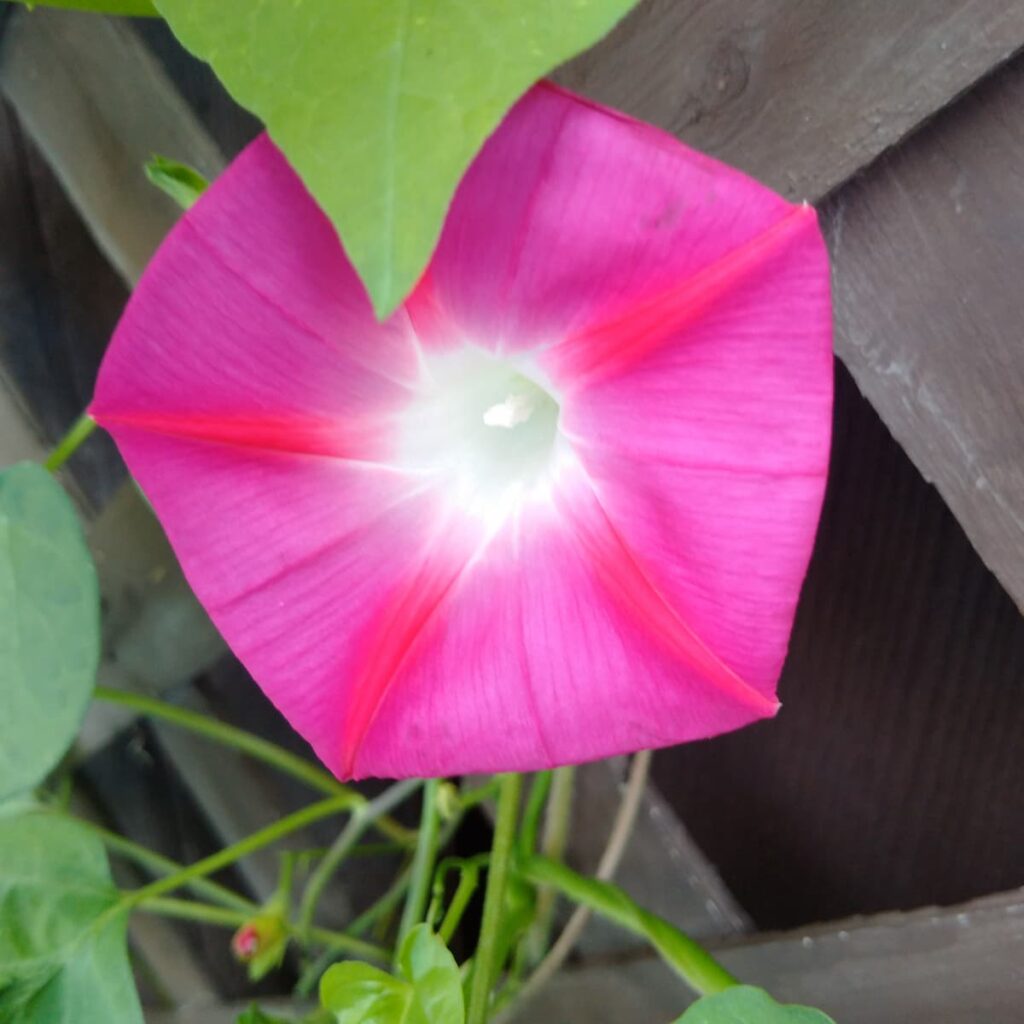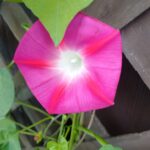

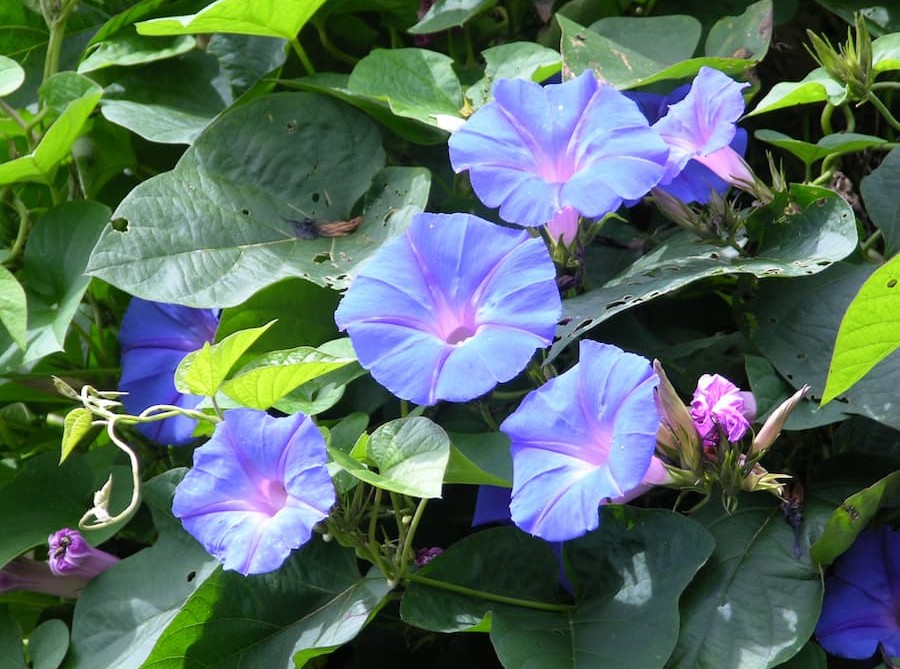
Morning glories put on one of summer’s more extravagant displays, considering that an individual flower barely makes it through the day.
The trumpet shaped blooms open in the morning in blue, purple, pink, white and striped combinations. By afternoon, many are already fading. By evening, they are finished. Then the vine does the whole thing again the next morning.
Most ornamental morning glories belong to the genus Ipomoea, a largely tropical and subtropical group. In Canada we grow them as annual vines, but their seeds can be considerably tougher than the plants themselves.
I planted ‘Grandpa Ott’s’ in my Toronto garden many years ago. I would not be surprised if descendants are still turning up there.
Getting them started
Morning glories like warmth. That matters more in regions with a short growing season because putting the seeds into cold, wet soil can mean slow germination or failure altogether.
Starting them indoors about four to six weeks before the last expected frost can buy valuable time. Morning glory seeds have a hard seed coat, so gardeners commonly nick or lightly abrade the coat before sowing, or soak the seeds before planting.
Once outside, give the vines full sun, reasonably well drained soil and something to climb. They twine rather than cling, so string, wire, fencing and narrow trellis supports work particularly well.
In warmer parts of the country, direct sowing once the soil has warmed can be quite successful. In shorter season regions, an indoor start makes it much more likely that you will get a good stretch of flowers before autumn frost shuts things down.
Don’t love them to death
This is not a plant that needs to be cosseted with fertilizer.
Morning glories can produce a tremendous amount of foliage when supplied with abundant nitrogen. If you are getting a magnificent green vine and precious few flowers, fertilizer may be part of the problem.
They are reasonably tolerant of dry conditions once established, although plants that receive adequate water can keep growing and flowering longer during hot weather.
The important ingredients are simpler: sun, warmth, enough water to keep the plant growing and something tall to climb.
One flower, one day
The common name is unusually accurate.
A morning glory flower usually opens early in the day and lasts only a matter of hours. Heat and bright sunshine tend to hasten its decline, while cool or cloudy weather may keep flowers attractive for longer.
That sounds like a rather poor bargain until you see a mature vine in bloom. A healthy plant continually produces new buds, replacing yesterday’s flowers with a new crop each morning.
The flower may be ephemeral. The display is not.
A few worth looking for
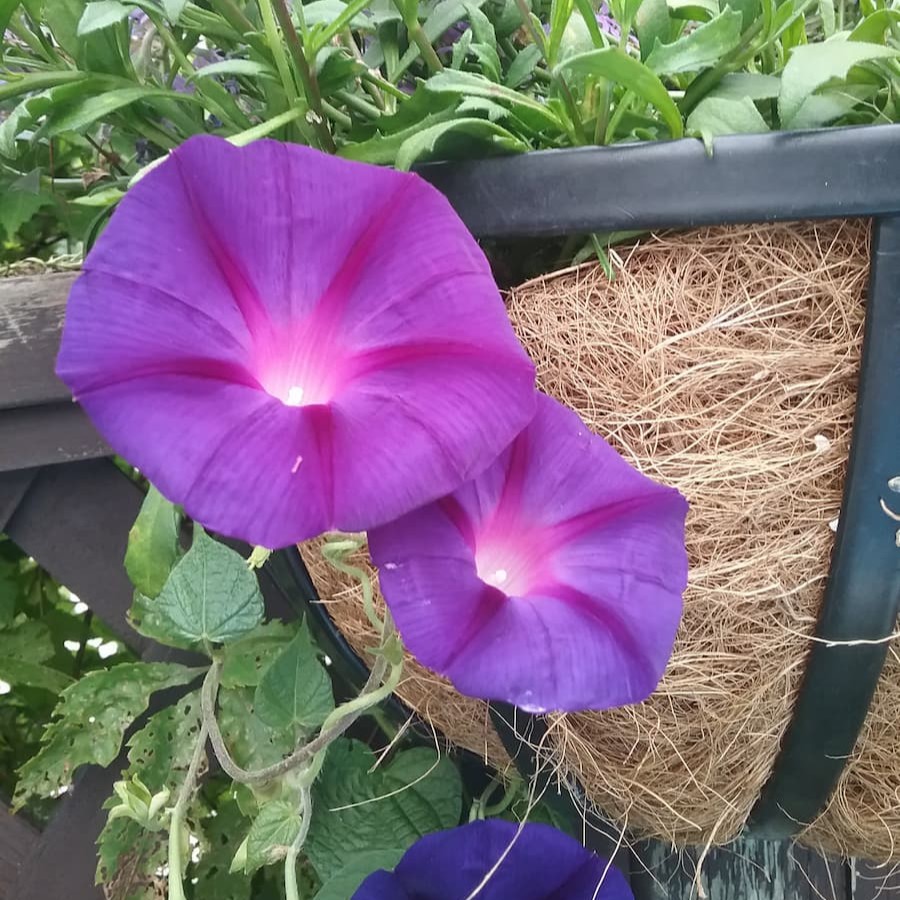
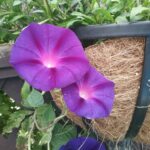
‘Grandpa Ott’s’, Ipomoea purpurea, is an old favourite with deep royal purple flowers, a magenta star and a light throat. It is vigorous and among the types most likely to leave seedlings behind.
‘Heavenly Blue’, Ipomoea tricolor, produces the enormous clear blue flowers many gardeners picture when they hear “morning glory”. It appreciates a long, warm season.
‘Flying Saucers’, also I. tricolor, produces irregular blue and white streaked flowers. No two are quite alike.
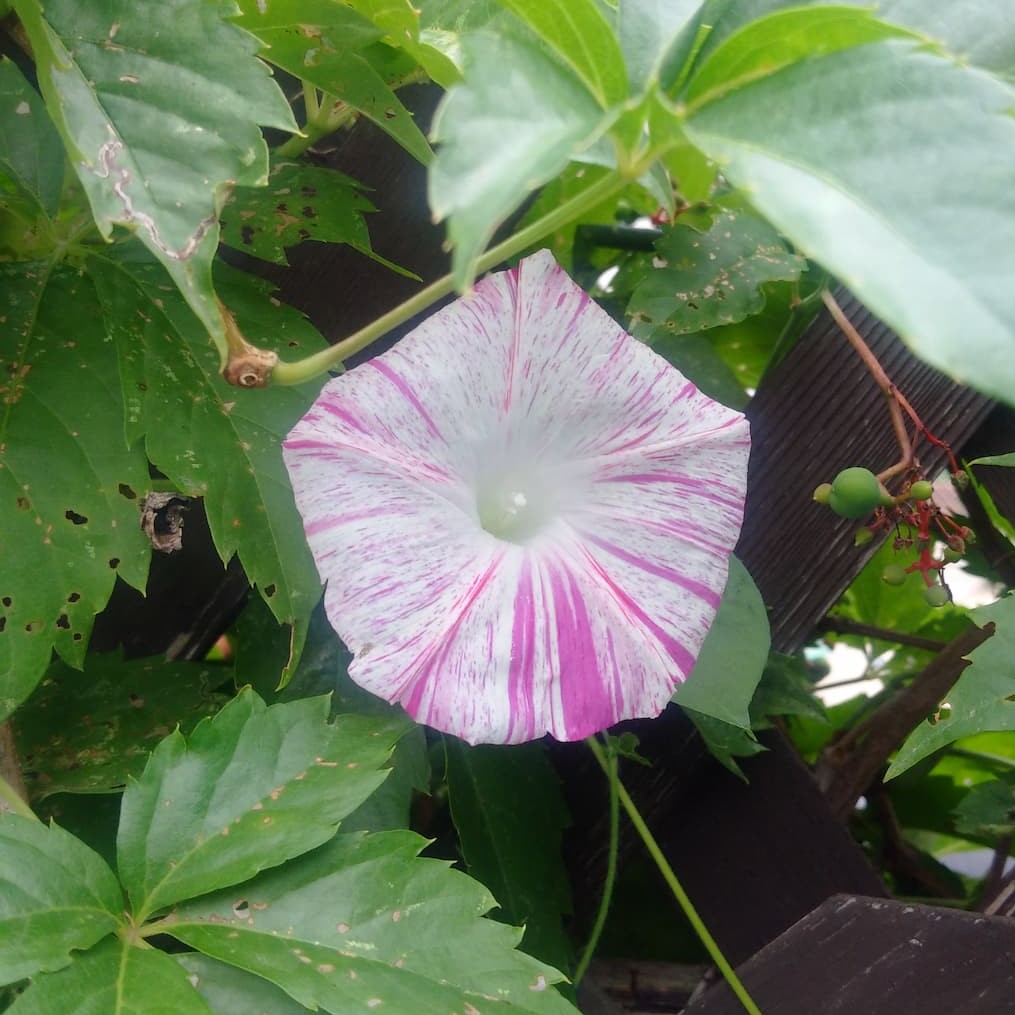
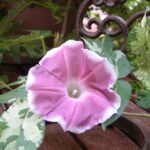
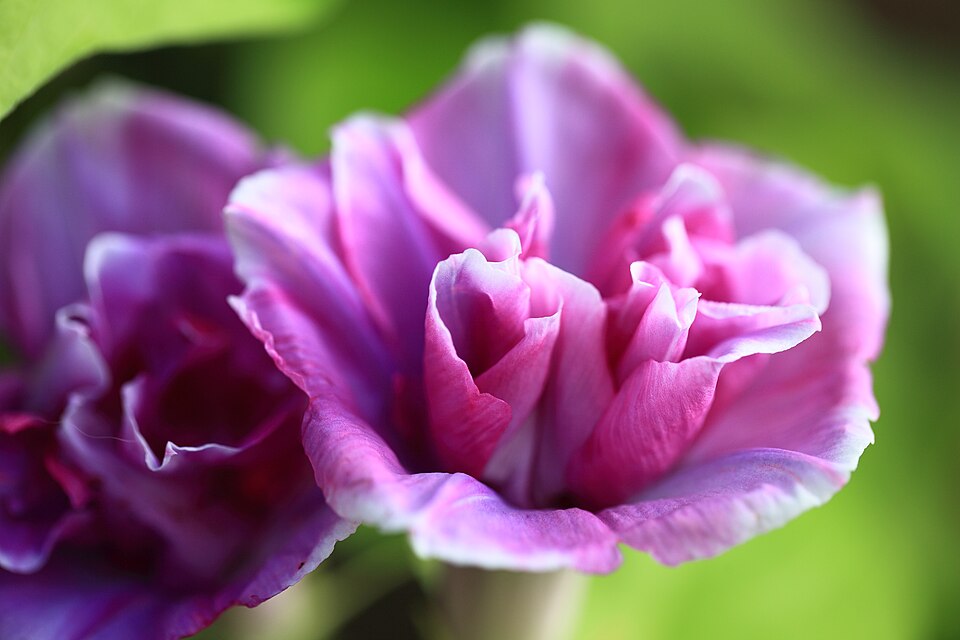
‘Carnevale di Venezia’ has white flowers marked with pink, while ‘Cameo Elegance’ combines rose violet flowers with variegated foliage.
Ipomoea nil, or Japanese morning glory, despite having nothing to do with Japan, has similar trumpet shaped flowers running blue to purple to reddish, often with a paler throat.
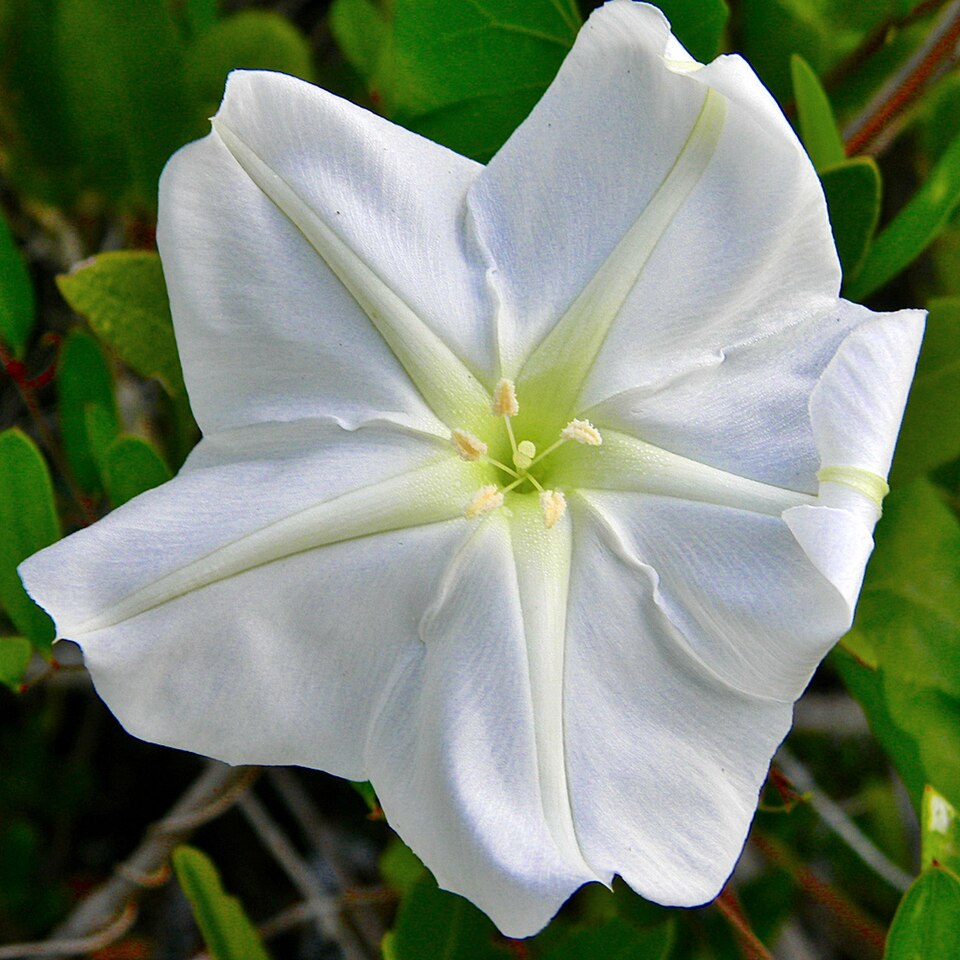
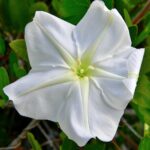
Moonflower, Ipomoea alba, reverses the morning glory schedule. Its huge fragrant white flowers open in the evening rather than the morning.
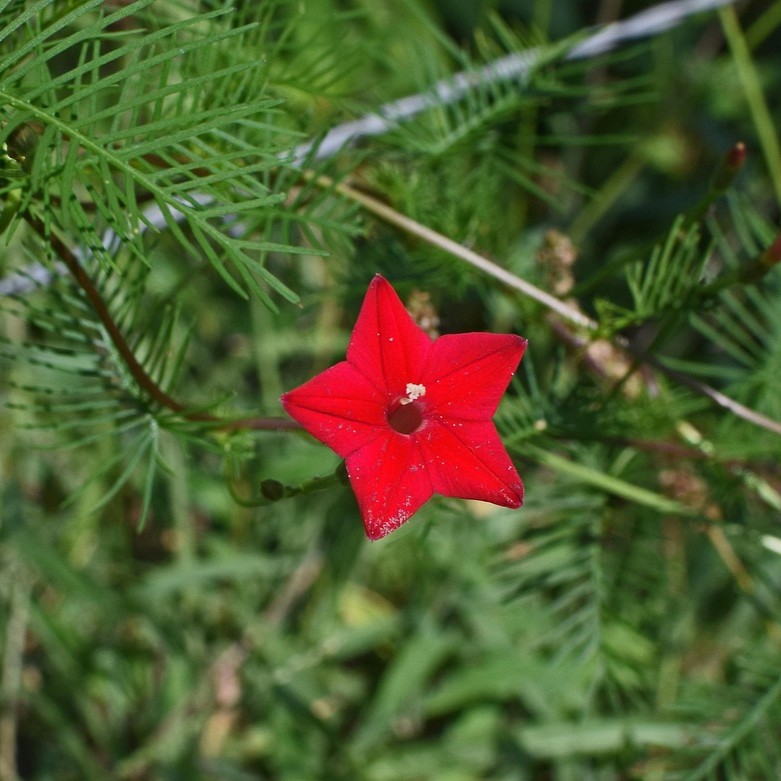
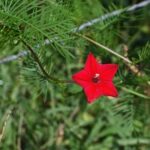
Cypress vine, Ipomoea quamoclit, has delicate looking star shaped flowers with finely cut foliage.
Will they come back?
Sometimes.
The plant itself is killed by freezing temperatures, but I. purpurea can produce plenty of seed. In favourable locations, seedlings may appear the following spring.
That is not the same thing as the vine being hardy. The parent is dead. Its children are simply moving in.
Ipomoea tricolor appears less inclined to establish itself this way in much of Canada. Cardinal climber and cypress vine are still less reliable self sowers, while moonflower generally needs such a long season to mature seed that volunteer seedlings are unlikely in most Canadian gardens.
If you do not want volunteers, remove developing seed capsules before they become dry and brown.
And if one gets past you, pull the seedling next spring. Cultivated morning glories are not particularly formidable opponents.