
Thyme
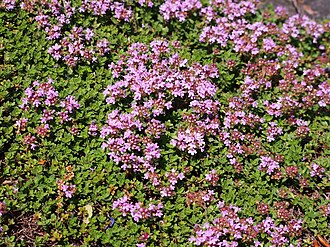
Thymus vulgaris, plus the creeping thymes T. serpyllum, T. pulegioides, T. pseudolanuginosus andT. praecox, and lemon thyme, T. × citriodorusAlso called: garden thyme, mother of thyme, wooly thyme, English thyme or French thyme, depending on the variety Thyme is a scrubby little shrub from the rocky hills of southern Europe that somehow ended up in […]
Lilac
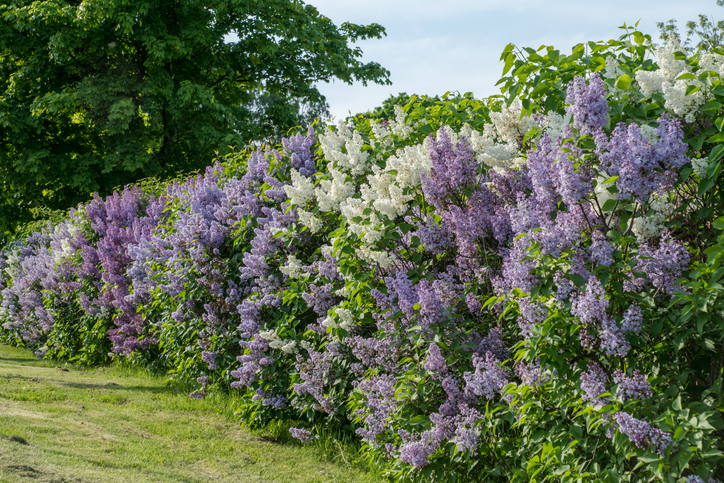
Syringa spp., mainly S. vulgaris, S. ×hyacinthiflora, S. ×prestoniae, S. meyeri and S. pubescens subsp. patulaAlso called: common lilac; French lilac; early lilac; Preston lilac; dwarf Korean lilac Japanese tree lilac, S. reticulata, is a different animal altogether and will have its own article. Lilacs are the grandparents of the Canadian yard. They’re tough, […]
Rudbeckia
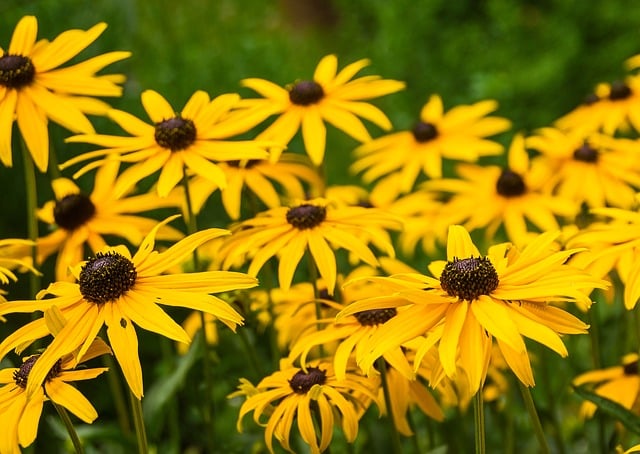
Rudbeckia spp., mainly R. hirta, R. fulgida and R. laciniataAlso called: black-eyed Susan; coneflower; gloriosa daisy; cut-leaved coneflower; rudbeckie (French) Rudbeckia is the golden retriever of the perennial border: cheerful, dependable and a little bit shaggy. It shows up in midsummer when the early bloomers have clocked out and keeps going until frost. The genus […]
Asparagus
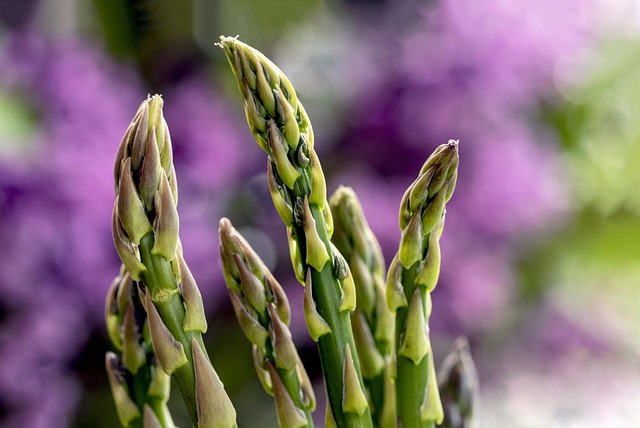
Asparagus is the vegetable garden’s long game. You plant it once, a couple of years, and then eat well every spring for a decade or two. It is also one of the first edible things to poke out of the ground, which makes it a fine reward for surviving another Canadian winter. Need to Know […]
Pansies
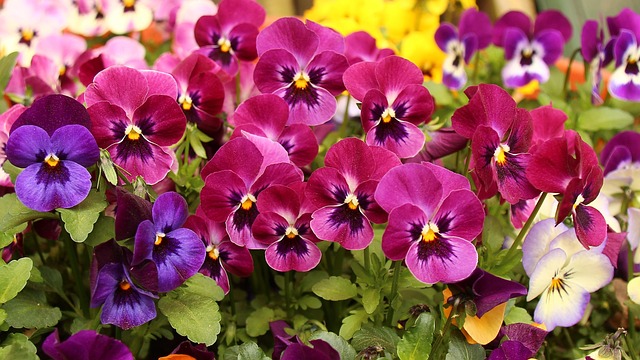
Most bedding plants treat a Canadian spring as a personal insult. Pansies treat it as an invitation. They bloom while the tomatoes are still sulking indoors, shrug off frost, and then, just when everything else hits its stride in July, they wilt dramatically like a Victorian heroine who has been handed the wrong teacup. Understanding […]