

Fact Check
Rose Diseases for Canadians
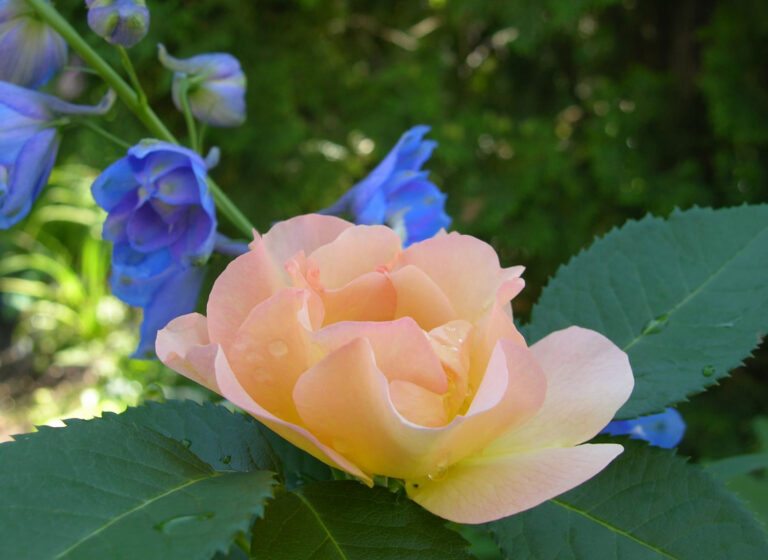
‘Morden Sunrise’ is a rose developed at the Morden Research Station in Canada. It is very hardy in regions across the country.
Star Roses, a US rose-growing company, recently released information on common rose diseases and how gardeners can manage them. Much of the advice is sound, but how well does it apply to Canadian gardens?
Rose diseases vary greatly across the country depending on climate, humidity, winter stress and the types of roses people actually grow. Conditions in southern Ontario or coastal British Columbia are very different from those on the Prairies or in colder northern regions. Some diseases are common in Canada, others remain relatively rare, and some standard gardening advice deserves a little more nuance when viewed through a Canadian lens.
Here’s a closer look at the information in a Canadian context. First, the press release sent, and below, our comments. Overall, Star Roses gets an A-, which isn’t too bad.
The press release
Common Rose Diseases
If you’re growing garden roses, such as Hybrid Tea, Floribunda, or Grandiflora types1, chances are you’ll encounter some type of rose disease at one time or another. Even if you take the right preventative steps, gardening is not an exact science, and sometimes the growing environment can allow disease to appear. The good news is that the most common rose diseases are mild and may not be an actual threat to the health of your rose2, even if it doesn’t look very attractive for a few weeks.
Black Spot
In areas with humid, wet climates, you may see signs of black spot. As the name suggests, this disease appears as circular black spots on foliage. While it’s frustrating to see this outbreak on your rose’s beautiful green foliage, it is no cause for alarm. Although the plant may drop some leaves, black spot is not detrimental to the overall health of your rose.3
You can minimize the effect by trimming out any infected parts, which will allow the plant to put more energy into producing clean, new growth. Be sure to disinfect your pruners after trimming a diseased rose bush so as not to transmit it to other plants.
The best prevention method against black spot is to water your roses at their base. Watering overhead with a sprinkler or hose leaves water on the foliage, which is an invitation for fungal disease.4 Roses also prefer long drinks of water every once in a while, instead of short, frequent watering.
Cercospora
Cercospora can be identified by its dark, circular spots that form on the upper surface of the rose foliage. The spots are typically smaller in size than black spot and do not have diffused edges as is typical with black spot symptoms. Cercospora is more common during periods of hot and humid weather conditions.5 Leaves often stay on the plant much longer than with other common rose diseases.
Downy Mildew
Cool temperatures and wet, damp conditions can lead to downy mildew. This disease is identified by dark, angular legions that form on the upper surfaces of rose foliage. An infection of downy mildew can cause defoliation in as little as 3 to 4 days, so it is important to keep a close eye on your roses if you start to notice early symptoms.
Powdery Mildew
Powdery mildew can be a common problem for roses, particularly in spring and fall when weather conditions are cool and wet. This fungal disease appears as a soft, white coating on stems, leaves, and buds of plants. It commonly occurs when there are many overcast days with high humidity and mild temperatures.
Generally, powdery mildew becomes less of a problem when the long, hot, sunny days of summer arrive. Improved weather conditions can make mildew go away on its own, but here are a few ways to help correct the problem:
- An application of horticultural oil from your local nursery should smother the spores and reduce the spread of the problem. It is best to try this as soon as you notice symptoms. An early sign of powdery mildew is a slight curling upwards of the foliage.
- Try trimming back the worst affected areas and wait for new, clean growth to flush out.
Rust
Roses grown in west coast climates are more susceptible to rust, which tends to appear in areas that experience cool, moist weather conditions such as rain, fog, or mist. However, it can also occur on roses in other parts of the country if conditions are just right.
Rust is recognizable by its orangey-red “rust” colored dots that usually form on the underside of leaves first. The spots can also be present on the upper surface of the leaves as it spreads.
Removing infected leaves and canes early is key in helping reduce the spread of rust to the full rose shrub or other plants nearby. It is important to dispose of rust-infected debris in garbage bags – placing infected cuttings in compost or other areas can lead to further spread of the disease. If rust has seriously affected your rose, you might consider a synthetic or natural fungicide application.
Rose Rosette Disease
Rose Rosette Disease (RRD) is spread by a tiny, windblown Eriophyid mite. RRD is a disease that can affect all hybrid roses and causes a variety of symptoms ranging from red growth to excessive thorniness, elongated shoots, deformed blooms, and pliable canes.6
Unfortunately, there is currently no known cure for it, but our team is working with other institutions to learn about, research, and combat this disease. Pruning your roses in early spring each year can help to keep RRD from infecting your plants.
If you believe your roses are infected with RRD, immediately remove and discard them by containing them in a sealed plastic trash bag. Do not add the infected plant to your compost bin or yard waste pile, and do not burn the plant, as this can cause the mites to “balloon” upwards and travel to other plants. Once the area is completely cleared of the infected plant debris and all its roots, it is safe to replant in that area.
Can Rose Diseases Be Prevented?
The team at Star® Roses and Plants is always hard at work testing every rose for disease resistance. Before a rose is selected to be introduced, it goes through rigorous trialing in numerous climates across the country. Only roses with high performance are chosen for introduction.
Knock Out®, Brick House®, Pretty Polly®, Gilded Sun™, Icecap™, Highwire Flyer™, Raspberry Cupcake™, and Sweet Spirit™ are all roses with a high resistance to both black spot and powdery mildew.
Notes
- Nothing wrong with this in southern Ontario, Quebec and BC and in the southern Maritimes, but prairie and more northerly gardeners know that these roses don’t last without special care. We’re more likely to grow hardy shrub roses and those developed in Canada, like Explorer roses, Parkland roses and Morden roses.
- This is conditionally true, but understates the cumulative impact of repeated defoliation in colder climates. In Canada, especially where growing seasons are shorter, repeated disease stress combined with winter injury can weaken roses significantly over time.
- Roses growing in Canada absolutely do get black spot, but if it gets to the point of defoliating your roses, we advise caution. As mentioned above, severe repeated defoliation can weaken roses over time, especially in areas with colder winters and high winter stress.
- We see this advice often and, while we don’t completely disagree, there is more to the story. See the sidebar.
- Cercospora does occur in Canada but mostly in southern Ontario. Other regions are generally not hot enough or not humid enough.
- Mercifully, there is little rose rosette disease in Canada, though it is widespread across the US. Areas closest to the border are the most at risk right now.
This press release gets a grade of A- from us
The information is largely solid and most of it is relevant to the warmer areas of Canada. None of the information is absolutely untrue, though rose rosette disease is not common in Canada and the edict to water at the base requires more nuance.
Star Roses is a company that does plenty of research and development and regularly produces some excellent cultivars.