
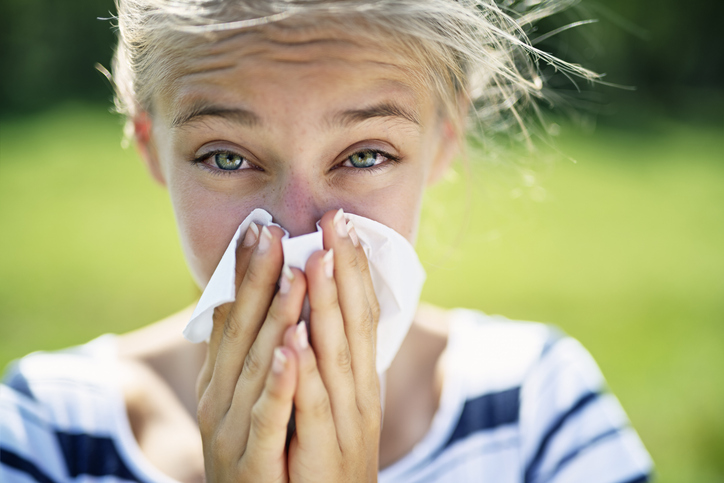
Late summer is a fine time to be outdoors, unless your immune system has mistaken a few grains of plant pollen for an invading army. Then the garden becomes a place of itchy eyes, repeated sneezing and the peculiar challenge of trying to weed while breathing through your mouth.
Seasonal allergies are often treated as one vaguely defined problem called hay fever. In reality, different plants release pollen at different times, people react to different allergens, and a stuffy nose is not always an allergy at all.
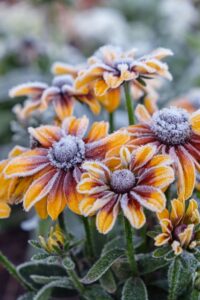
Understanding what is actually in the air makes it easier to protect yourself without banishing every flower from the garden. Your black-eyed Susans are probably not plotting against you. Ragweed, on the other hand, has some accounting to do.
1. Hay fever involves neither hay nor fever
The medical name is seasonal allergic rhinitis. It happens when the immune system makes immunoglobulin E, or IgE, antibodies to something harmless in the air, usually pollen or mould spores. Exposure activates an inflammatory response in the lining of the nose and often the eyes.
Typical symptoms include repeated sneezing, an itchy nose, itchy or watery eyes, clear nasal drainage and congestion. The itching is a particularly useful clue because it is common in allergies and less typical of an ordinary cold.
Despite the old name, allergic rhinitis does not cause a fever. Fever, marked fatigue, body aches or a sore throat point more toward an infection, although symptoms can overlap.
There is another complication. Nonallergic rhinitis can cause congestion, drainage and postnasal drip without an IgE reaction. Cold air, smoke, perfume, weather changes and some scents can trigger it. Oral antihistamines often don’t work well for nonallergic rhinitis, although some nasal treatments can help. A person can also have both allergic and nonallergic rhinitis.
2. There is more than one allergy season
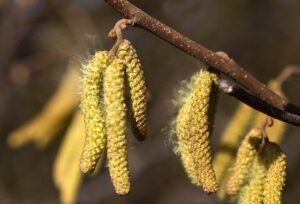
The pollen year usually begins with trees. Depending on the region, birch, junipers, oak, pines and other trees release allergenic pollen in spring. Grasses become more important from late spring into summer. Ragweed and other weeds are prominent later in summer and into fall.
Flowering dates vary with latitude, elevation, local vegetation and weather. A pollen calendar from southern Ontario should not be pasted over northern Alberta and called close enough.
Mould spores can also behave seasonally. Outdoor moulds often increase as vegetation grows and plant material decays, then remain troublesome until cold weather. Someone who says “pollen allergy” may therefore be reacting to a spore rather than pollen.
3. The showiest flowers are usually innocent
Plants have different delivery systems for pollen. A plant that recruits bees, butterflies or other animals can make pollen that is relatively heavy and sticky. The visitor carries it directly from flower to flower.
A wind-pollinated plant has no courier. It releases large quantities of tiny pollen grains to go wherever they may. Trees, grasses, inconspicuously flowered weeds and a few cultivated plants produce many of the important airborne allergens.
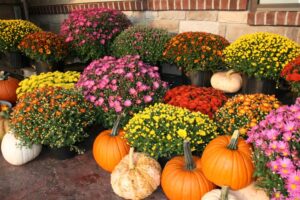
The flowers most noticeable in a garden are seldom the main cause of neighbourhood-wide hay fever because their pollen does not travel far through the air. Nonetheless, a person can be genuinely allergic to a particular pollinator-pollinated flower and can react while handling it or working close enough for the pollen to reach the nose, eyes or skin. Strong floral fragrances can cause similar nasal symptoms through nonallergic rhinitis. “Usually innocent” is not the same as “incapable of causing any reaction.”
For most gardeners, however, replacing every colourful perennial with gravel would be a bleak and ineffective allergy strategy. Focus on wind-pollinated plants first.
4. Goldenrod has been unfairly maligned
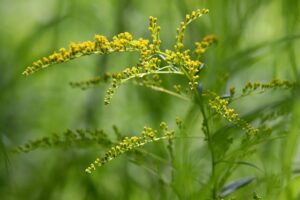
Goldenrod produces conspicuous yellow flowers at about the same time that ragweed pollen fills late-summer air. People see goldenrod, start sneezing and presume goldenrod is the problem.
Goldenrod is mainly pollinated by insects, though. Its pollen is not normally released into the air in the enormous quantities needed to make it a major source of seasonal allergic rhinitis.
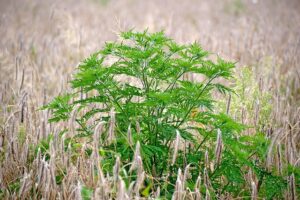
Ragweed has small greenish flowers that are easy to overlook. It is wind-pollinated and produces vast quantities of airborne pollen. In a Quebec greenhouse study, intact common ragweed plants averaged nearly 395 million pollen grains per plant.
Goldenrod can cause an allergic response in some people, particularly through close contact. But as the broad explanation for late summer misery, it has been convicted largely because it was colourful enough to be identified by witnesses.
5. You may blame the wrong afternoon
Symptoms do not provide a perfect record of where and when exposure happened. In a 2024 study, 396 adults repeatedly reported nasal, eye and lung symptoms while researchers estimated each person’s exposure to the pollens to which they were sensitized.
Pollen exposure during roughly the previous five hours had the strongest relationship with symptoms. The association did not vanish after that; it remained detectable for as long as 60 hours.
This helps explain why casual detective work can fail. You may sneeze beside a bed of asters after encountering the relevant grass pollen earlier in the day.
6. Rain is helpful, until it is not
Rainfall can temporarily wash airborne pollen toward the ground, producing the clean feeling many allergy sufferers notice after a steady rain. A systematic review found evidence for this short-term washout effect, although the relationship between precipitation and pollen varies by plant, place and timescale.
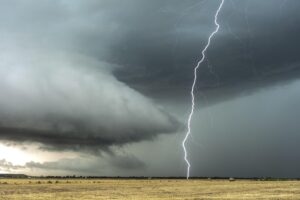
Thunderstorms create a separate hazard. Strong winds can concentrate pollen near ground level, while moisture and turbulence may rupture pollen grains and release allergenic fragments small enough to penetrate more deeply into the lungs.
Thunderstorm asthma is uncommon, but it can be severe. People with pollen allergy and asthma should not assume that an approaching storm makes outdoor air safer. New wheezing or difficulty breathing requires prompt medical attention. You just can’t win!
7. Allergies can begin in adulthood
Allergic rhinitis often starts early in life but can begin later. An international prospective study followed adults who were 20 to 44 years old at the beginning. Among those without rhinitis at baseline, the cumulative incidence of self-reported allergic rhinitis was 12 percent by follow-up.
Workplace exposures were associated with some of the new cases, which is a reminder that adult environments change. People move, begin different jobs, acquire pets and encounter plants or substances they did not meet in the same way before.
If symptoms are new, persistent or difficult to control, skin-prick testing or a blood test for allergen-specific IgE can help.
8. Allergy season is changing
Temperature influences when plants begin and stop releasing pollen. Carbon dioxide can increase plant growth and pollen production in some allergenic species. A longer frost-free season can extend the period during which pollen is present.
A 2011 study of ragweed records from 10 central North American locations found that the season had lengthened by an estimated 25 days in Winnipeg and 27 days in Saskatoon between 1995 and 2009. A broader 2019 study by some of the same researchers examined multiple pollens at 17 Northern Hemisphere locations. Twelve showed increasing pollen loads and 11 showed longer pollen seasons.
Climate change won’t increase pollen at the same rate across the country, but the overall effect is unfriendly to allergy sufferers. Longer exposure and changes in the ranges of allergenic plants can introduce people to more pollen, for more days, in places where it was formerly less important.
9. Local honey is not allergy shots in a jar
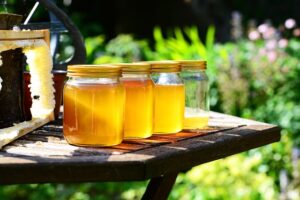
An appealing theory is that local honey contains local pollen and gradually trains the immune system to tolerate it. The comparison with allergen immunotherapy sounds scientific, but the dose, pollen species and route of exposure are not controlled.
A direct clinical trial found that local honey relieved allergy symptoms no better than flavoured corn syrup. A small Finnish pilot study found encouraging results with honey deliberately fortified with birch pollen, but most differences between the fortified-honey and regular-honey groups were not statistically significant. That specially prepared product was not ordinary local honey. Birch is wind-pollinated, so its pollen does not ordinarily enter honey in a measured therapeutic dose. Real allergy immunotherapy uses the allergen known to cause a person’s symptoms in carefully measured doses.
10. Ragweed control and proper treatment can help
Mowing ragweed before it blooms reduces pollen substantially. Hand-pulling is practical for a small patch before flowering, but larger sites require coordinated attention; pollen travels.
Personal exposure measures can also help. Check local pollen reports, keep windows closed when the relevant pollen is high, change clothes after prolonged outdoor work and shower when you come inside.
For medication, a 2024 Canadian review recommends second-generation oral antihistamines rather than older sedating drugs such as diphenhydramine. Intranasal corticosteroids are generally more effective than oral antihistamines for nasal congestion and overall rhinitis control, but they work best when used correctly and regularly. Ask your pharmacist.