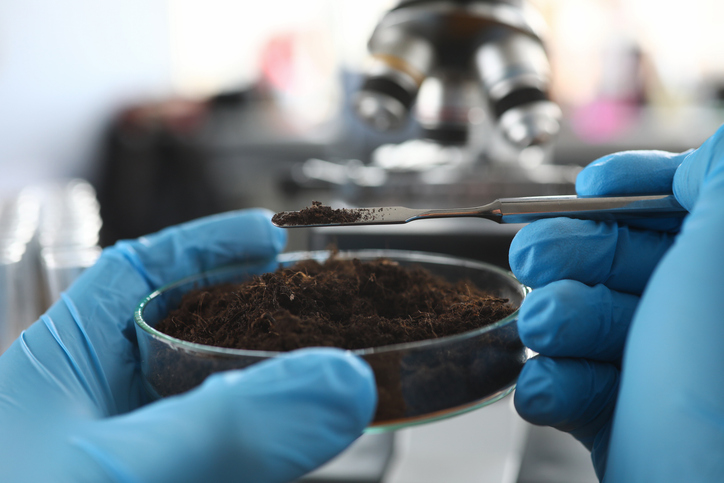
Food grown in an ordinary home garden is generally safe to eat. Soil naturally contains tiny amounts of metals and other substances, but their presence does not mean they enter vegetables at dangerous levels.
Plants absorb relatively little of the contaminants most commonly found in urban soil. Unless a property has an unusual history, such as industrial use, dumping or contaminated fill, gardeners usually have no reason to test the soil or stop eating what they grow.
1. Roots keep most contaminants out
Roots do not draw everything in the soil into a plant. Their membranes regulate what enters, largely because the plant needs to control its supply of water and nutrients.
Contaminants differ in how easily they can cross those barriers. Lead, one of the principal concerns in older urban soil, binds strongly to soil and moves poorly into most plants. Only a small proportion is generally taken up, and much of that remains in the roots.
The amount reaching an edible tomato, bean or apple is smaller still. Contaminated soil does not automatically produce contaminated food.
2. Soil on the plant matters more than soil inside it
The more important source of exposure is usually soil and dust stuck to the outside of the produce.
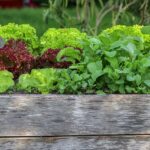
Leafy vegetables can collect dust in their folds. Carrots and potatoes come out of the ground wearing it. This surface material can contain contaminants without the plant having absorbed them.
That is reassuring because surface soil can be removed. The largest part of a very small potential problem is generally sitting where we can wash it away.
3. Ordinary washing handles the main avoidable exposure
Rinse produce thoroughly under clean running water. Rub firm produce such as carrots and potatoes while rinsing it. Remove damaged or dirty outer leaves from lettuce and cabbage.
Peeling root vegetables provides another layer of protection when there is a known soil concern. It is not ordinarily necessary simply because the vegetable came from an urban garden.
These are sensible food handling practices in any garden. They remove soil, dust and microorganisms whether or not chemical contamination is present.
4. Fruiting crops take up particularly little lead

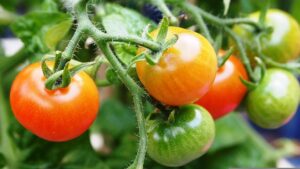
Tomatoes, peppers, beans, peas, corn, cucumbers, squash, berries and tree fruits are among the least concerning crops when soil contains elevated lead.
Lead absorbed by roots moves poorly into fruits and seeds. This is why public health guidance commonly recommends fruiting crops for gardens where the soil’s history is uncertain.
Leafy vegetables and root crops still need not be avoided in an ordinary garden. They simply carry more soil and dust on their surfaces and therefore benefit most from careful washing.
5. Soil naturally contains things with frightening names
Lead, arsenic, cadmium, nickel, chromium and many other elements occur naturally in rocks and soil. A laboratory capable of measuring small enough quantities will find some of them almost everywhere.
Their presence is not the same as contamination, and contamination is not the same as danger. The concentration must be high enough to matter, and there must be a way for enough of the substance to enter someone’s body.
As with caffeine, sunlight and family gatherings, the dose makes a considerable difference.
6. Unusually high concentrations normally have an explanation
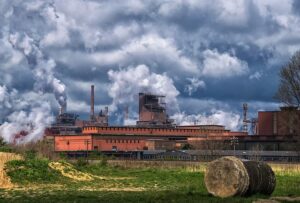
Garden soil does not spontaneously accumulate large amounts of lead or industrial chemicals. Elevated concentrations usually point to a source.
Lead can come from deteriorating exterior paint or historical vehicle exhaust. PAHs can come from burning coal, oil, wood or garbage. Petroleum products, solvents and certain metals may be associated with garages, railways and industrial operations.
Without a history of industrial activity, dumping, waste burning, contaminated fill or badly deteriorating old paint, there is usually little reason to expect unusual contamination.
7. Former industrial land is normally investigated before housing is built
Current redevelopment processes are designed to prevent contaminated industrial land from quietly becoming someone’s backyard.
The property’s history is investigated first. If former activities could have contaminated the land, environmental professionals collect soil and groundwater samples. Any significant contamination must be removed, contained or otherwise managed for the intended residential use.
The rules vary across Canada, and older developments may have been built before today’s requirements existed. Nevertheless, a recently constructed neighbourhood on former industrial land should already have passed through an environmental review. The developer does not simply put up a condominium and hope nobody notices the former plating factory.
8. Most gardeners do not need contaminant testing
A garden that has long been part of a residential property, park or farm is normally a low concern site. Routine testing for lead, arsenic and industrial chemicals is not necessary without a reason to suspect them.
Testing becomes reasonable when the property was once industrial, contained a fuel tank, received questionable fill or shows evidence of dumping or burning. It may also be worthwhile immediately beside an older building with badly flaking exterior paint.
A normal fertility test does not include contaminants. An accredited environmental laboratory must be asked specifically for the appropriate analyses.
9. Raised beds provide a straightforward solution
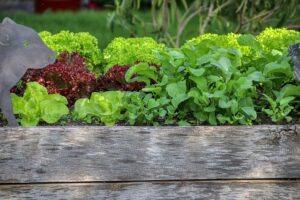
If the property’s history remains uncertain or testing confirms elevated contamination, a raised bed filled with purchased soil provides a clean growing area.
A barrier beneath the bed separates the new soil from the original ground. Covering nearby soil with grass, mulch or another surface keeps it from becoming dust or being tracked into the house.
Raised beds do not remove contaminants from the property, but they break the route between the contaminated soil, the crop and the gardener. For growing vegetables, that is what matters.
10. Gardening remains a healthy activity
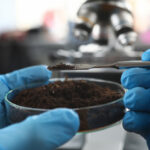
It is possible to become ill from sufficiently high exposure to contaminated soil. That situation is very different from eating vegetables grown in an ordinary residential garden.
For most adults, accidentally swallowing enough garden soil to create a significant exposure is unlikely. Young children deserve additional care around soil with confirmed high lead concentrations because they are more sensitive and more likely to put dirty hands in their mouths.
For everyone else, the useful precautions are familiar ones: wash the harvest, wash your hands and leave muddy footwear at the door. The evidence does not support treating homegrown vegetables as a health hazard.
Plants take up only a small proportion of most contaminants in soil, and even less usually reaches their edible fruits. The more important source is soil and dust on the outside of the harvest, which ordinary washing removes.
Soils naturally contain metals and other substances. They are unlikely to contain unusually high concentrations unless the property has a history that explains them.
When there is a genuine reason for concern, testing can provide an answer and raised beds filled with clean soil provide a practical solution. For the great majority of gardeners, however, the sensible response is much simpler: wash what you grow and enjoy eating it.
Images


Sources
Brown, S. L., et al. 2016. “Lead in Urban Soils: A Real or Perceived Concern for Urban Agriculture?” Journal of Environmental Quality 45: 26–36. Reviews the evidence on soil lead and concludes that the benefits of urban agriculture generally outweigh the risks.
Augustsson, A., et al. 2023. “Managing health risks in urban agriculture: The effect of vegetable washing for reducing exposure to metal contaminants.” Science of the Total Environment 868: 160996. Measures how much lead and other metals washing removed from leafy vegetables grown near a heavily travelled road.
Augustsson, A., et al. 2023. “Urban vegetable contamination: The role of adhering particles and their significance for human exposure.” Science of the Total Environment 900: 165633. Examines the importance of soil and dust particles adhering to leafy vegetables.
Cooper, A. M., et al. 2020. “Monitoring and mitigation of toxic heavy metals and arsenic accumulation in food crops: A case study of an urban community garden.” Plant Direct 4: e00198. Reports four years of crop monitoring and the results of moving food production into raised beds containing uncontaminated soil.