
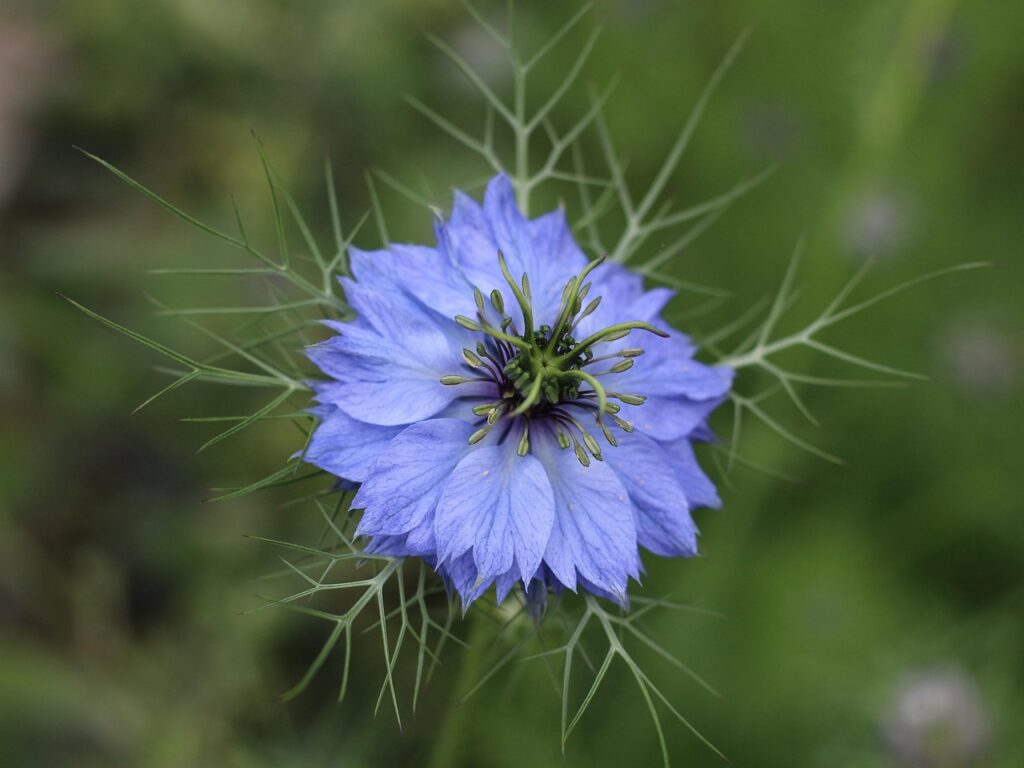
 Nigella has a way of appearing just when the garden needs it most. While everything else is still low and tentative, it rises in a haze of fine foliage, then threads itself through the border with soft blue flowers that seem to float in place. It doesn’t demand attention or perfect conditions. It simply grows, sets its intricate pods, and quietly ensures it will be back next year. In a climate where reliability matters, nigella earns its place by doing the work without asking for much in return.
1. It thrives on neglect
Nigella is one of those rare annuals that does better when you leave it alone. Poor to average soil, minimal fertiliser, and moderate watering all produce stronger, more upright plants with better flowering.
2. It dislikes transplanting
Nigella develops a delicate taproot early. Direct seeding is far more reliable than trying to move seedlings, which often stall or fail after transplanting.
3. Cold tolerance gives it an early start
Seeds germinate in cool soil, so sow once the ground can be worked in spring, even before the last frost date. This lets the plant complete most of its growth before summer heat sets in.
 4. The foliage does as much work as the flowers
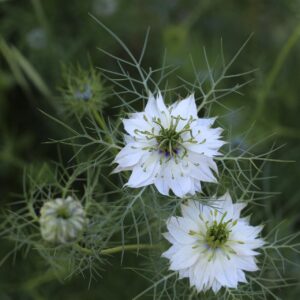
The fine, thread-like leaves create a soft, airy structure that fills space in a border. Even before blooming, the plant contributes texture that contrasts well with heavier foliage.
5. It blooms quickly, but briefly
Nigella moves fast from germination to flowering, often in 8 to 10 weeks. The flowers themselves don’t last long, but staggered sowings can extend the display over several weeks.
6. It self-seeds without becoming invasive
Once established, nigella will drop seed and return each year. In most Canadian gardens, it naturalises lightly rather than taking over, and unwanted seedlings are easy to remove.
 7. The seed pods extend the season
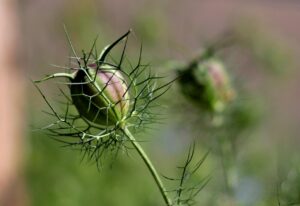
After flowering, the plant forms inflated, lacy pods that remain attractive well into late summer. You can leave them standing for visual interest or dry them for arrangements.
8. It rarely suffers from pests or disease
Nigella is largely trouble-free. In most conditions, it avoids the common issues that affect annuals, such as powdery mildew or insect damage, especially when grown in well-drained soil.
9. It performs best in full sun but tolerates light shade
Full sun produces the strongest stems and most flowers, but nigella will still grow in partial shade. In lower light, expect looser growth and fewer blooms.
10. Its culinary cousin
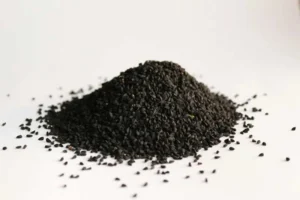 The common garden plant is Nigella damascena. Nigella sativa, which looks similar, is grown for its dark black seeds which are used as a spice, sometimes called black cumin (though not true cumin). It tastes like a blend of onion, oregano and black pepper with a mild bitterness and is popular in Middle Eastern and South Asian cooking.