

Clivia is the houseplant for people who forget about houseplants. It shrugs off dry air, tolerates neglect and asks for remarkably little: a shady window, a snug pot and a cool, dry winter rest. Get the rest right and it rewards you in late winter with fat heads of orange trumpets, just when everything outside is grey. Get it wrong and you’ll have very handsome leaves, and that’s all.
Light

Water and feeding
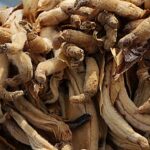
Clivia stores water in its thick, fleshy roots, which makes it far more forgiving of drought than of drowning. From spring through summer, water when the top inch of mix is dry and let the pot drain fully. Never let it sit in a saucer of water. Feed with a half-strength houseplant fertilizer every two to four weeks while it’s growing, then stop in autumn.
Dry indoor air doesn’t bother it, so no misting or pebble trays are required.
The rest that makes the blooms
This is the one thing clivia insists on. The flower buds form during the growing season, but the flower stalk won’t stretch up and open properly unless the plant gets a spell of cool weather first. Research found that 60 days at 10 Celsius gave normal flowering, while the same stretch at 15 Celsius didn’t. A warm living room all winter is the usual reason a clivia won’t bloom.
So, sometime between October and January, give it six to eight weeks somewhere cool, ideally 7 to 10 Celsius, but never freezing. A cool basement, a chilly spare bedroom with the vent closed and the window cracked or a spot near a drafty window usually fits the bill. Unheated porches and sunrooms are fine in early autumn but get far too cold once winter arrives in most of Canada. A cheap thermometer will tell you whether a spot qualifies. Water only enough to keep the leaves from wilting, perhaps once a month.
When the flower stalk is about 6 inches tall, move the plant back to normal room temperature and resume regular watering. Flowers follow in a few weeks. Rush this step and you may get flowers squashed down among the leaves, which looks a bit like the plant is trying to hide them.
Which clivia have you got?

C. nobilis was the first clivia described and is the easiest of the five to buy. It carries big heads of 40 to 60 dangling red and orange flowers. It’s the slowest grower in the genus, taking six years or more to bloom from seed, but it gets by on less water than C. miniata and its leathery leaves shrug off disease.

Crosses between species, such as C. ×cyrtanthiflora (C. miniata × C. nobilis), are also sold. They can bloom at almost any time of year, depending on their parents. Treat them like C. miniata and let the plant show you its calendar.
Pots and repotting
Clivia likes a tight pot. Move it into a big one and it puts its energy into filling the new space with roots instead of making flowers. Repot only when the roots are crowding out the soil or splitting the pot, usually every three to five years, and right after flowering. Go up just one pot size.
Use a coarse, fast-draining mix. Ordinary potting mix with a generous handful of orchid bark or perlite works well. The roots are thick and brittle, so handle them gently and trim any that are mushy or dead. Mature plants get top heavy, so a clay pot or a heavy cachepot helps keep them upright.
Summering outdoors
Clivia enjoys a summer outside in a shady spot, such as under a tree or on a north-facing deck. Move it out gradually once nights stay above 10 Celsius, and keep it out of direct sun. The cool nights of early autumn on a sheltered porch can count toward its rest. Just bring it inside before nights dip below about 5 Celsius.
After flowering
Snip off the spent flower head unless you want seeds. Berries take most of a year to ripen and use up a lot of the plant’s energy, which can mean fewer flowers next time. Leave the flower stalk until it yellows, then pull or cut it away.
Never cut back the leaves. Clivia is evergreen and doesn’t go dormant the way amaryllis does. It needs every leaf it has.
Making more
Division is the quickest route. Clivia sends up offsets around its base. Once an offset has four or more leaves of its own, separate it from the parent when repotting after flowering, keeping as many roots attached as you can. Pot it snugly and keep it slightly on the dry side while it settles in. A divided offset usually blooms in two or three years.
Seed is slow but satisfying. Berries turn from green to red over about a year. Peel off the flesh, then press each fresh seed halfway into moist mix and keep it warm. Don’t let the seed dry out, as it won’t keep. Seedlings take three to five years to flower, and they won’t necessarily look like the parent. They often will have an orange flower since yellow is a recessive trait.
Trouble
No flowers. Almost always a missed or too warm rest. Too little light or a plant that’s too young (fewer than about a dozen leaves) are the other usual suspects.
Flowers stuck down in the leaves. The rest was too short or too warm, or watering resumed before the stalk had started to stretch.
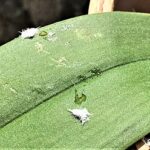
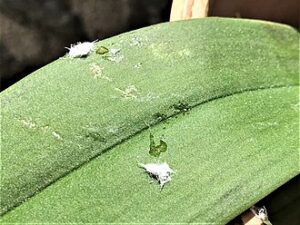
Mealybugs hide in the leaf bases, looking like tufts of cotton. Dab them with rubbing alcohol on a cotton swab and check again weekly. Scale shows up as small brown bumps on the leaves and can be scraped off.
Pale or bleached patches are sunburn. Move your plant out of direct sun. The damaged spots won’t recover, but new leaves will be fine.
Yellow leaves and a soft base mean root rot from overwatering. Unpot, cut away mushy roots and repot in fresh, drier mix.
Pets and children. Clivia contains alkaloids that cause vomiting and drooling if eaten, and more serious symptoms in larger amounts. Keep it out of reach of pets that nibble. It isn’t a true lily, so it doesn’t cause the kidney failure in cats that Easter lilies and daylilies do.