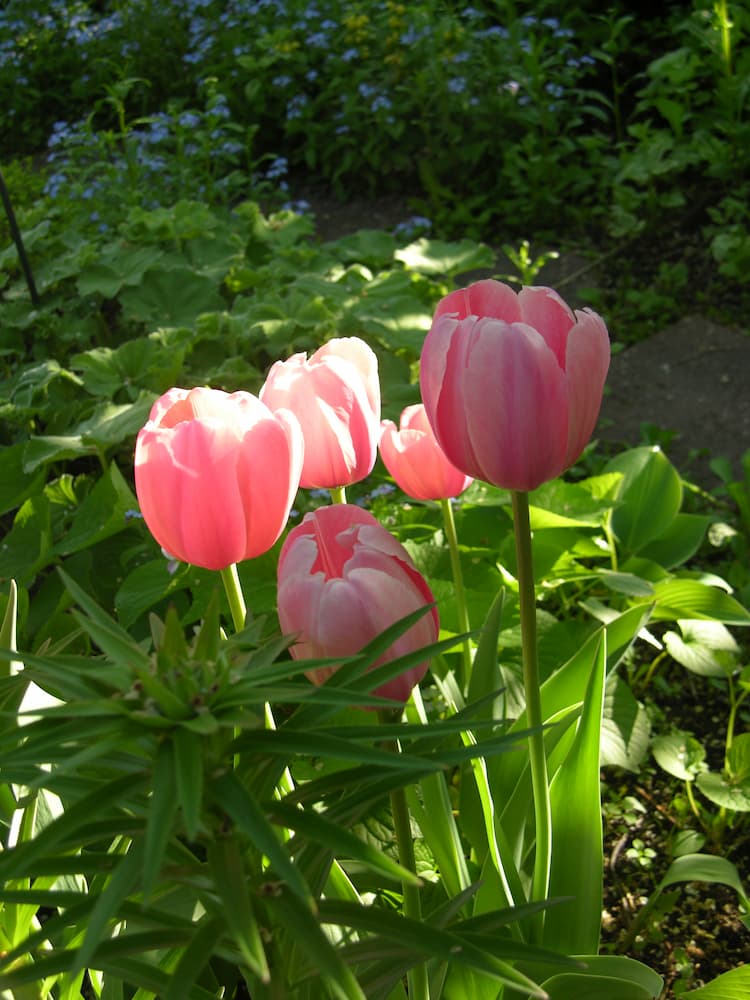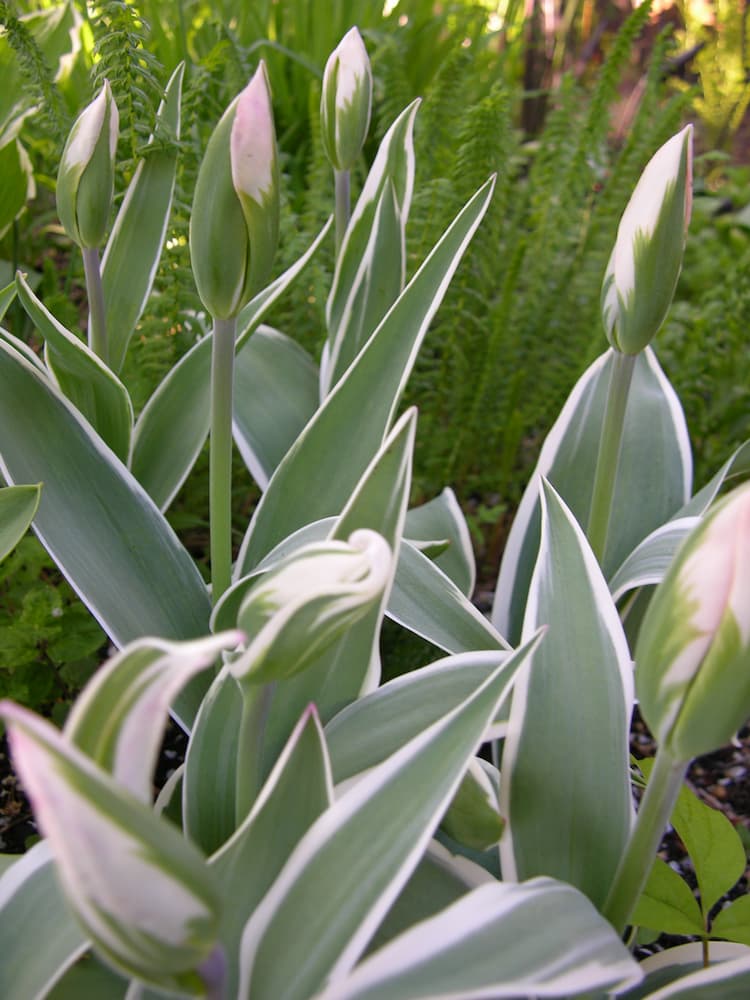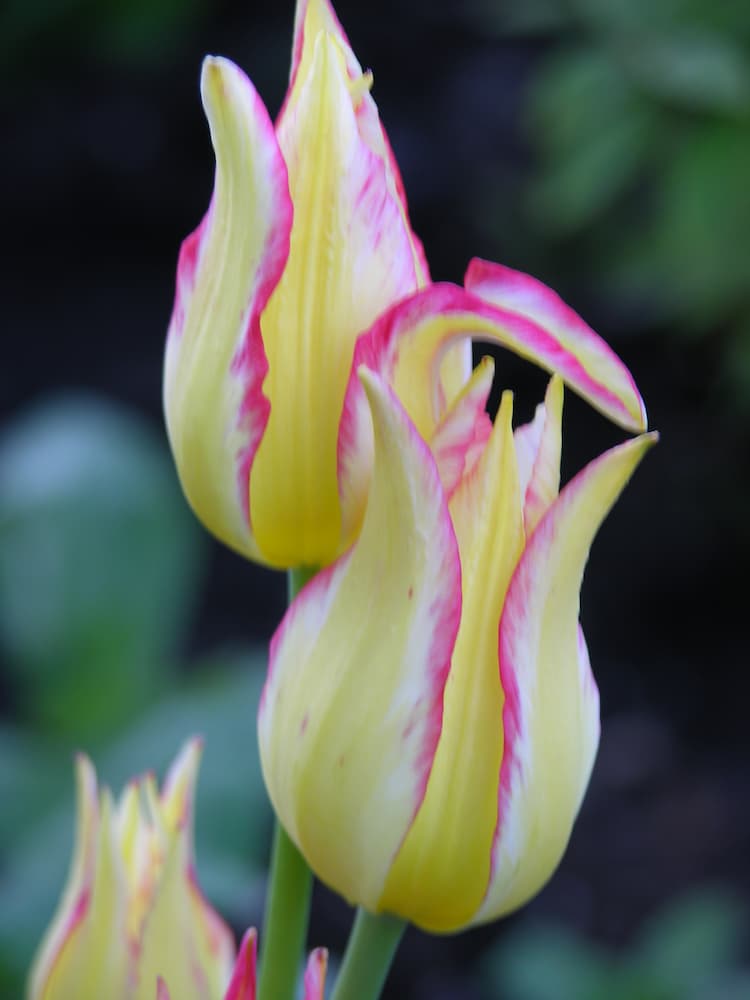
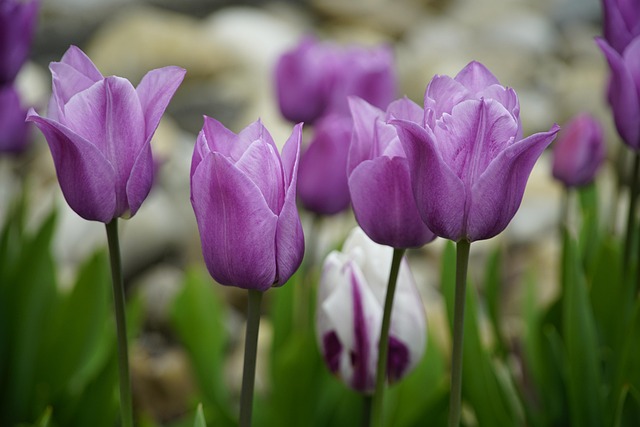
Tulips come from mountain stock with a theatrical streak. Their wild ancestors spend summer baking in dry, stony ground, winter frozen solid and spring putting on a show. Canadian gardens supply the frozen part with enthusiasm. The trouble is that the plump hybrids sold in fall bags tend to make a splash, not to settle down, so many put on one glorious performance and then give up the ghost. If you choose the right types and plant them well, though, tulips will come back for years.
Know which one you’ve got

The big garden tulips are hybrids of tangled ancestry. Nurseries sort them into divisions by flower shape and bloom time: single and double early, Triumph, Darwin hybrid, single late, lily-flowered, fringed, parrot and so on. These give the biggest show and the shortest run.
Some tulips, sold as multi-flowering or bouquet tulips, branch into three to five flowers on each stem. For the most part, though, it is one flower per bulb.
Species tulips, often sold as botanical tulips, are the wild ones and their close relatives. They’re smaller and less flashy, open into stars or bowls in the sun, and are the most likely to stick around. Look for Tulipa tarda, T. clusiana, T. humilis, T. linifolia or T. sylvestris.
Kaufmanniana, Fosteriana and Greigii tulips sit in between, with bigger flowers but plenty of wild blood.
Why most tulips don’t come back
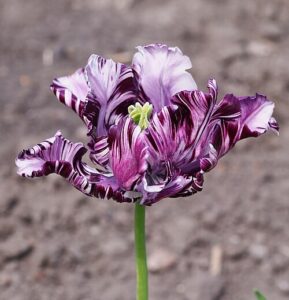
A tulip bulb isn’t a permanent fixture. Each year the mother bulb spends itself on flowering and is replaced by daughter bulbs underground. If those daughters grow big enough, you get flowers next year. If they don’t, you get a clump of single leaves and a sense of betrayal.
Hybrids bred for enormous flowers tend to split into small daughters that need years to reach flowering size. Darwin hybrids, Emperor types and species tulips are much better at rebuilding. Hot, dry summers and sharp drainage help too. That’s what their wild ancestors grew up with, and the old habits run deep.
Planting

Plant in fall once the soil has cooled, any time before the ground freezes. Late is better than never; bulbs forgotten in the garage still have a decent shot if you can get them into the ground.
Pick a sunny spot with soil that drains well. Wet soil rots bulbs faster than anything else. Set each bulb pointy end up. The tulip will grow regardless, but the plants emerge from the pointy side so make it easier on them.
The safe rule is to plant bulbs about three times as deep as they are tall, measured to the base of the bulb. For most garden tulips, which are around 2 inches tall, that’s 6 inches; for small 1-inch species tulips, about 3 inches depth is good. The extra soil insulates bulbs through deep cold and keeps squirrels at bay. In heavy clay, you might opt to go a little shallower, since deep clay soil stays wet.
The old advice was to plant in groups of seven or more. There’s no magic in the number, but massing tulips in drifts or clumps usually looks better than a single tulip here and there, which tends to look like it’s waiting for a bus.
If you’re planting hundreds of bulbs, consider wearing gloves. Tulip bulbs carry a skin allergen, and an itchy rash on the fingertips is a common complaint among bulb workers.
Cold is the point
 Tulips need a long, cold winter to flower properly, and in a Canadian garden, winter handles that without help.
The bulbs are tough, but not invincible. Bulbs gradually hardened to cold were unharmed just below freezing, but brief exposure to -20 Celsius was generally fatal. In the ground, soil and snow keep bulbs far warmer than the air above. In a pot on a deck, they get no such protection, so tulips in containers are best sunk into the ground or overwintered somewhere cold but sheltered, like a cold cellar or a fridge.
After the show
Snap off spent flowers so the plant doesn’t waste energy on seed. Then leave the leaves alone until they yellow. They are still making food, which is stored in the new bulbs forming underground for next year. In a trial with tulips planted under lawn, waiting until early June to mow kept the bulbs healthy in Zone 5b, while mowing earlier cut into future flowering. Later perennials such as hostas or daylilies are handy for hiding the fading foliage.
Trouble

Tulip fire is the one disease worth knowing by name, even if you never meet it. It’s caused by Botrytis tulipae, a fungus that specializes in tulips and thrives in cool, wet springs. Look for twisted leaves and pale, sunken spots on leaves and flowers, followed by grey fuzz in damp weather. The fungus survives in the soil on tiny black resting bodies, so pull infected plants as soon as you see them and put them in the garbage. Backyard compost piles rarely get hot enough to kill the fungus. Give the spot a break from tulips for a few years. The Royal Horticultural Society recommends at least three years. The fungus affects only tulips, so you can put other plants there in the meantime.
Viruses spread by aphids can streak and distort flowers. Buy firm, healthy bulbs and pull out plants with odd markings.
As for wildlife, deer and rabbits treat tulips like a salad bar and squirrels and chipmunks dig up freshly planted bulbs. Planting tulips among daffodils, which most critters leave alone, can help. You can also plant them in chicken wire cages.